 by Admin
 01 Jan 1970
Why HDPE Pipes are Essential for Efficient Irrigation Projects
HDPE Pipes in Modern Irrigation Systems
HDPE (High-Density Polyethylene) pipes play a vital role in modern irrigation systems due to their durability, flexibility, and efficient water transportation capabilities. These pipes are widely used in agricultural, landscape, and industrial irrigation applications because they provide reliable performance and long service life.
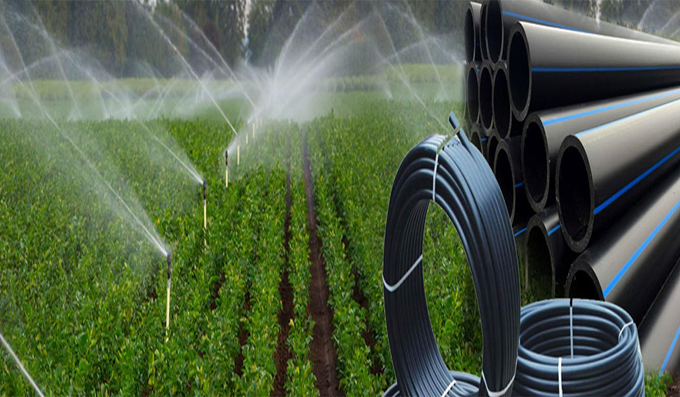
Modern irrigation systems require strong and leak-proof piping solutions to ensure efficient water distribution. HDPE pipes have become a preferred choice for drip irrigation, sprinkler systems, rainwater harvesting, and underground water supply networks.
Key Features of HDPE Pipes
- High durability and strength
- Corrosion and chemical resistance
- Flexible and lightweight design
- Leak-proof joint systems
- Long operational life
Applications in Irrigation Systems
- Drip irrigation systems
- Sprinkler irrigation systems
- Landscape irrigation
- Agricultural water supply networks
- Rainwater harvesting systems
Benefits of Using HDPE Pipes
- Efficient water transportation
- Reduced water leakage and wastage
- Easy installation and maintenance
- Suitable for underground and surface applications
- Cost-effective irrigation solution
Importance in Modern Irrigation
As irrigation technologies continue to advance, HDPE pipes are becoming increasingly important for developing efficient and sustainable water management systems. Their ability to handle varying pressure conditions and harsh environmental factors makes them highly suitable for modern irrigation infrastructure.
Conclusion
HDPE pipes are an essential component of modern irrigation systems, helping improve water efficiency, reduce operational losses, and support sustainable agricultural practices. Their durability and performance make them an ideal choice for long-term irrigation projects.